
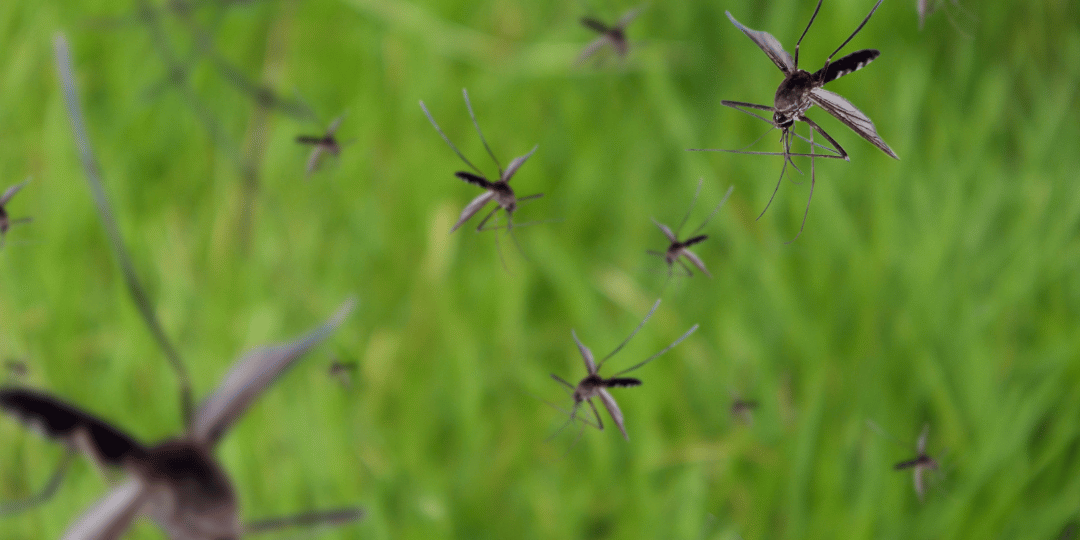
Homeowners across Austin are increasingly searching for a mosquito trap outdoor solution as outdoor living becomes a central part of life around Lake Travis, Lady Bird Lake, and surrounding neighborhoods. Whether it is backyard gatherings, evenings on the patio, or time spent near the water, residents want to enjoy their outdoor spaces without constant mosquito interruption.
The challenge in Austin is that mosquito activity is closely tied to local weather patterns. Hot Texas summers create long stretches of warmth that allow mosquito populations to remain active well into the evening. When spring rains arrive, they add moisture that accelerates breeding cycles and quickly increases mosquito numbers across residential areas. This combination makes mosquito control a recurring concern rather than a seasonal inconvenience.
Areas such as Downtown Austin, the UT Campus, and Hyde Park experience this pressure in different ways. Urban density, tree coverage, and proximity to water create what many describe as Urban Oases, where mosquitoes can thrive in shaded and humid environments. At the same time, Lake Travis and Lady Bird Lake contribute shoreline moisture that supports consistent mosquito activity, especially during periods of intense summer heat when water levels and evaporation patterns shift.
Because of these conditions, many homeowners begin exploring mosquito trap outdoor options as part of a broader Mosquito Control strategy. The goal is not just to reduce visible mosquitoes temporarily, but to find a more reliable way to manage ongoing activity in an environment where weather and geography constantly support mosquito presence.
For many in Austin, especially those who value outdoor living, finding an effective approach becomes essential for maintaining comfort throughout the season. MosquitoNix helps homeowners address these challenges with solutions designed for the specific conditions found in Central Texas.
Why Mosquito Pressure Is High Around Lake Travis and Lady Bird Lake
Mosquito pressure in Austin is strongly influenced by the city’s unique combination of waterways, heat patterns, and rapid weather shifts. Areas surrounding Lake Travis and Lady Bird Lake experience especially consistent mosquito activity because these bodies of water create ideal breeding and resting conditions throughout much of the year.
Hot Texas summers play a major role in sustaining mosquito populations. Extended periods of heat allow mosquitoes to remain active longer each day, especially in the evening when temperatures begin to drop. In neighborhoods near Downtown Austin, the UT Campus, and Hyde Park, this often translates into noticeable mosquito activity during peak outdoor hours.
Spring rains further intensify the issue. When heavy rainfall moves through the region, it quickly fills low lying areas, storm drains, and pockets of standing water. Around Lake Travis, fluctuating water levels along the shoreline can create additional breeding opportunities, while Lady Bird Lake contributes consistent humidity and moisture that supports mosquito development even after storms pass.
Austin’s landscape also contributes to the challenge. The city is often described as a mix of Urban Oases, where dense vegetation and shaded residential pockets sit alongside highly developed areas. This creates a patchwork environment where mosquitoes can find both breeding sites and protected resting areas. These conditions are especially common along the Green Line corridors where tree cover and landscaping are more concentrated.
In addition, intense summer heat can drive mosquitoes into shaded residential spaces during the day. As temperatures rise, mosquitoes seek cooler environments under trees, porches, and dense shrubs, which are common features in neighborhoods around Lake Travis and central Austin. This pattern makes mosquito control a persistent concern for homeowners who want to maintain usable outdoor spaces.
Because of these overlapping conditions, mosquito activity in Austin is not limited to a single season or neighborhood. Instead, it is shaped by continuous environmental factors that make consistent Mosquito Control and effective mosquito trap outdoor strategies an important consideration for homeowners across the region.
How a Mosquito Trap Outdoor System Actually Works
A mosquito trap outdoor system is designed to reduce mosquito activity by targeting the insects as they move through outdoor environments around a home. In Austin, where warm temperatures and spring rains consistently support mosquito breeding, these systems are often considered as part of a broader Mosquito Control strategy rather than a standalone solution.
Most mosquito trap outdoor systems work by attracting mosquitoes using a combination of cues such as carbon dioxide, heat, or scent based lures. Once mosquitoes are drawn toward the device, they are captured or eliminated, reducing the local population over time in the immediate area. This approach can be helpful in outdoor living spaces where activity is concentrated, such as patios, backyard seating areas, and poolside environments.
In neighborhoods around Lake Travis and Lady Bird Lake, mosquito traps are often used to supplement other control methods because shoreline moisture and fluctuating water levels create ongoing breeding conditions. Even in areas like Downtown Austin, the UT Campus, and Hyde Park, where Urban Oases and dense landscaping provide shaded environments, mosquito populations can remain active due to consistent humidity and shelter.
It is important for homeowners to understand that a mosquito trap outdoor system works best when used as part of a larger Mosquito Control plan. While traps can reduce the number of mosquitoes in specific areas, they do not eliminate breeding sources such as standing water that may appear after spring rains or during periods of intense summer heat.
For this reason, many Austin homeowners combine trapping methods with ongoing yard maintenance and more structured solutions. This can include professional systems such as Mosquito Misting Systems or scheduled treatments like QuickNix Mosquito Treatments, which address both active mosquitoes and the environments where they develop.
When used correctly within a broader strategy, a mosquito trap outdoor system can contribute to reducing mosquito pressure in targeted outdoor areas, helping homeowners in Austin make better use of their outdoor spaces throughout the warmer months.
Mosquito Misting Systems for Long Term Mosquito Control in Austin
For homeowners in Austin who need more consistent results than a single mosquito trap outdoor device can provide, Mosquito Misting Systems offer a structured approach to Mosquito Control that is designed for long term reduction of mosquito activity around residential properties.
These systems are installed around key areas of a home, including landscaping, fence lines, and shaded outdoor spaces where mosquitoes tend to rest during the day. At scheduled intervals, a fine mist is released to help reduce mosquito populations in these environments. In a city like Austin, where hot Texas summers and spring rains continually support mosquito breeding, this consistent treatment approach can make a noticeable difference over time.
Around Lake Travis and Lady Bird Lake, Mosquito Misting Systems are especially useful because shoreline moisture and fluctuating water levels create ongoing mosquito pressure. Homes near these areas often experience increased activity during the warmer months, particularly in the evenings when outdoor spaces are most heavily used. The systems help maintain regular treatment coverage even when environmental conditions shift quickly after rainfall or heat spikes.
In central neighborhoods such as Downtown Austin, the UT Campus, and Hyde Park, dense vegetation and shaded residential areas create what are often described as Urban Oases. These spaces retain moisture and provide ideal resting conditions for mosquitoes, especially during periods of intense summer heat. A Mosquito Misting System helps address these environments by targeting the areas where mosquitoes are most likely to gather.
It is also important to consider the Green Line corridors and other heavily landscaped parts of the city, where tree cover and irrigation can contribute to persistent humidity. In these areas, Mosquito Misting Systems provide an added layer of consistency that helps support broader Mosquito Control efforts throughout the season.
While no single solution eliminates mosquito activity entirely, Mosquito Misting Systems are often used as a foundation for ongoing control in Austin. When combined with other strategies such as mosquito trap outdoor devices and scheduled treatments, they help homeowners maintain more usable outdoor spaces during the long warm season.
QuickNix Mosquito Treatments for Sudden Austin Mosquito Surges
Even with a mosquito trap outdoor system or Mosquito Misting Systems in place, Austin weather can create sudden spikes in mosquito activity that require a faster response. In areas around Lake Travis and Lady Bird Lake, heavy spring rains followed by hot Texas summer temperatures often lead to rapid increases in mosquito populations. These conditions can shift quickly, especially when standing water forms after storms or along fluctuating shorelines.
QuickNix Mosquito Treatments are designed to address these short term surges as part of a broader Mosquito Control approach. Instead of focusing on long term scheduling, they target active mosquito populations in outdoor living spaces where homeowners are most affected. This makes them especially useful after weather events that trigger sudden increases in mosquito activity.
In neighborhoods such as Downtown Austin, the UT Campus, and Hyde Park, where Urban Oases and dense vegetation are common, mosquitoes often find shaded, humid environments that allow them to recover quickly after rainfall. The combination of intense summer heat and moisture retention can accelerate this process, leading to noticeable activity even shortly after treatment efforts.
Around Lake Travis, changing water levels and shoreline conditions can create additional breeding opportunities, while Lady Bird Lake contributes consistent humidity that supports mosquito survival during peak season. These environmental factors make it difficult to rely on a single solution, which is why responsive treatments play an important role in overall control strategies.
QuickNix Mosquito Treatments are often used alongside Mosquito Misting Systems and mosquito trap outdoor devices to provide a more complete approach to Mosquito Control. While they are not a replacement for long term solutions, they help bridge the gap during periods of increased activity and allow homeowners to regain use of their outdoor spaces more quickly after mosquito surges occur.
Why Consistent Mosquito Control Matters in Austin’s Climate
In Austin, Mosquito Control is not a one time effort because the environmental conditions that support mosquitoes are present throughout much of the year. Homeowners around Lake Travis and Lady Bird Lake often notice that even after using a mosquito trap outdoor system or other treatments, mosquito activity can return quickly when weather conditions shift.
One of the main drivers is the hot Texas summer climate. Extended periods of heat allow mosquitoes to remain active longer each day, especially in shaded outdoor areas where temperatures are slightly lower. When combined with spring rains, this creates a repeating cycle where mosquito populations can grow rapidly and then spread into residential neighborhoods.
Areas such as Downtown Austin, the UT Campus, and Hyde Park are particularly affected due to their Urban Oases landscape. Dense vegetation, irrigation, and tree coverage provide consistent moisture and shelter, allowing mosquitoes to survive even during intense summer heat. These conditions make it difficult to rely on occasional treatments alone.
Water related factors also play a significant role. Around Lake Travis, fluctuating shoreline levels can expose new breeding areas after rainfall, while Lady Bird Lake contributes ongoing humidity that supports mosquito activity throughout the season. After periods of heavy rain, temporary standing water can also appear in nearby residential areas, further increasing mosquito reproduction opportunities.
Because of these overlapping conditions, mosquitoes in Austin are able to reestablish populations quickly. The Southern House Mosquito and other common local species are well adapted to these environments and can reproduce in small amounts of water, which makes them especially persistent in both suburban and urban settings.
For this reason, homeowners often rely on a layered approach that includes mosquito trap outdoor devices, Mosquito Misting Systems, and responsive options like QuickNix Mosquito Treatments. While each tool provides value, consistency is what determines long term results in a climate like Austin’s.
Ongoing Mosquito Control helps reduce the cycle of reoccurring infestations and allows homeowners to maintain more usable outdoor spaces throughout the long warm season rather than constantly reacting to new mosquito surges.
Taking Back Your Backyard with MosquitoNix in Austin
For homeowners in Austin, enjoying outdoor spaces around Lake Travis and Lady Bird Lake often comes down to how effectively mosquito activity is managed throughout the year. With hot Texas summers, spring rains, and intense summer heat, mosquito populations can build quickly and persist in both waterfront and residential neighborhoods. Areas like Downtown Austin, the UT Campus, and Hyde Park experience this pressure in unique ways due to dense vegetation and Urban Oases conditions that support ongoing mosquito activity.
While a mosquito trap outdoor solution can help reduce activity in targeted areas, long term relief typically requires a more complete Mosquito Control strategy. Combining multiple approaches helps address both active mosquitoes and the environmental conditions that allow them to return.
MosquitoNix Austin provides solutions designed specifically for these challenges. From professionally designed Mosquito Misting Systems that deliver consistent coverage to responsive QuickNix Mosquito Treatments for sudden surges, MosquitoNix helps homeowners create a more reliable approach to managing mosquito pressure throughout the season.
If you are ready to reduce mosquito activity around your home in Austin, MosquitoNix Austin can help design a customized plan built around your property and local conditions near Lake Travis and Lady Bird Lake. A professionally installed system combined with ongoing Mosquito Misting Systems and targeted QuickNix Mosquito Treatments can help you take back your outdoor spaces and enjoy your backyard with fewer interruptions.
Contact MosquitoNix Austin today to learn how a tailored Mosquito Control strategy can help you make the most of outdoor living in Austin.