

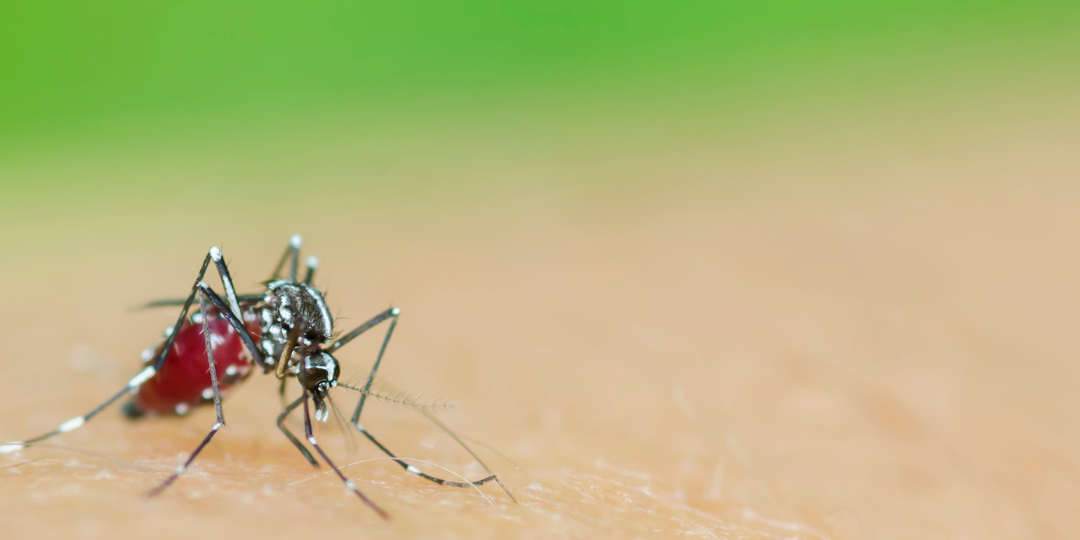
Understanding Aedes Mosquito Bites in Austin
Austin is known for its outdoor lifestyle, from relaxing in a backyard in Zilker to enjoying local restaurants and neighborhood gatherings around South Lamar. When autumn arrives, comfortable weather creates plenty of opportunities to spend time outside. However, warm fall temperatures can allow mosquitoes to remain active, making Aedes mosquito bites a concern for homeowners even after summer begins to fade.
Aedes mosquitoes are particularly worth understanding because some species bite during the day and can breed in small amounts of standing water around homes. Plant saucers, buckets, clogged gutters, and other containers can create breeding opportunities. In Austin, changing weather patterns, including cold fronts and moisture moving inland from the Gulf, can influence outdoor conditions and mosquito activity.
Although not every mosquito bite leads to illness, Aedes mosquitoes can transmit viruses such as dengue, Zika, and chikungunya when an infected mosquito is involved. Knowing how to recognize bite reactions, relieve itching, and reduce mosquito activity around your property can help you make informed decisions about your household and outdoor spaces.
For Austin homeowners, mosquito prevention is not just a summer concern. Whether you are enjoying the comfortable autumn weather or planning local outings around events such as the Austin Celtic Festival, it helps to understand how mosquitoes behave and how to reduce opportunities for bites.
MosquitoNix Austin helps homeowners explore ways to manage mosquito activity and reclaim their outdoor living spaces. With options that include a first in class mosquito misting system, MosquitoNix focuses on helping customers spend more time enjoying their backyards with fewer mosquito interruptions.
In this guide, we will cover what Aedes mosquitoes are, how their bites may affect you, ways to relieve itching, and practical steps Austin homeowners can take to reduce mosquito activity around their properties. We will also explore professional mosquito management options that can help you make the most of your outdoor space.
What Are Aedes Mosquitoes, and Where Are They Found in Austin?
Aedes mosquitoes are a group of mosquitoes known for their daytime biting habits and their ability to breed in small amounts of standing water. For Austin homeowners, understanding where these mosquitoes live and how they behave is an important step toward reducing Aedes mosquito bites around the home.
Two species worth knowing about are Aedes aegypti, commonly called the yellow fever mosquito, and Aedes albopictus, known as the Asian tiger mosquito. Both can bite people and can transmit certain viruses under the right conditions. However, a bite from either species does not automatically mean a person has been exposed to a disease.
Why Aedes Mosquitoes Can Be Difficult to Avoid
Unlike mosquitoes that are most active around dusk, many Aedes mosquitoes readily bite during daylight hours. They may be active in the morning and late afternoon, and they can also bite at other times throughout the day.
This behavior can make them especially frustrating for homeowners who enjoy spending time in the garden, working outdoors, or relaxing on a patio. A quick trip outside to water plants or enjoy the autumn weather can be enough to encounter mosquitoes if they are present nearby.
Aedes mosquitoes often stay close to places where they hatch, although their movement varies by species and environmental conditions. Removing breeding opportunities around your home can therefore be an important part of reducing local mosquito activity.
Where Aedes Mosquitoes Breed Around Austin Homes
Aedes mosquitoes can use surprisingly small containers of water as breeding sites. Female mosquitoes may lay eggs in containers that hold water after rain or irrigation, and some Aedes species lay eggs on container surfaces just above the waterline. Those eggs can remain viable until conditions allow them to hatch.
Around Austin properties, check for water collecting in:
- Plant saucers and decorative pots
- Buckets, watering cans, and unused containers
- Clogged gutters and downspouts
- Outdoor toys, tarps, and patio furniture
- Birdbaths and other water features
- Discarded tires and other items left outdoors
Inspect these areas regularly, particularly after rainfall or when weather patterns bring moisture into Central Texas. Empty containers where appropriate, keep gutters clear, and prevent water from accumulating for extended periods.
How Austin’s Geography and Weather Affect Mosquito Activity
Austin sits near the transition between the Texas Hill Country and the Gulf Coastal Plains. Local weather can change as cold fronts move through and moisture arrives from the Gulf. These patterns influence rainfall, humidity, and the availability of standing water, all of which can affect mosquito activity.
Even when autumn brings comfortable temperatures, warm fall days can allow some mosquitoes to remain active. Homeowners in neighborhoods such as Zilker and South Lamar should not assume that mosquito activity ends as soon as summer passes. The Vibe and other residential areas can also have mosquito breeding opportunities wherever water collects around homes and shared outdoor spaces.
The key is to look at conditions around your property rather than relying on the calendar alone. A few overlooked containers may support mosquito development even when rainfall has been limited.
What This Means for Austin Homeowners
Understanding Aedes mosquitoes makes prevention more practical. Regularly checking standing water, maintaining screens, and paying attention to areas where mosquitoes gather can help reduce opportunities for bites.
For homeowners who continue to experience mosquito activity despite routine maintenance, MosquitoNix Austin can help explain additional mosquito management options. Solutions such as QuickNix Mosquito Treatments and Mosquito Misting Systems may be worth discussing based on your property’s layout and needs.
In the next section, we will look at what Aedes mosquito bites can look and feel like, how to distinguish ordinary skin reactions from symptoms that need medical attention, and which health concerns are relevant to Austin residents.
Aedes Mosquito Bite Symptoms and Potential Health Concerns
Aedes mosquito bites can cause itchy, raised bumps that are uncomfortable but usually improve on their own. However, because certain Aedes species can transmit viruses, Austin homeowners should understand the difference between a typical skin reaction and symptoms that may require medical attention.
Not every Aedes mosquito carries a virus, and receiving a bite does not mean you will become ill. The risk depends on factors such as the mosquito species, whether it is infected, and local disease transmission.
What Do Aedes Mosquito Bites Look Like?
Aedes mosquito bites can look similar to bites from other mosquito species. The appearance and severity of the reaction vary from person to person.
Common signs include:
- Small, raised bumps on the skin
- Redness around the bite
- Itching or irritation
- Localized swelling
- Several bites clustered together on exposed skin
Some people develop noticeable swelling shortly after being bitten, while others experience a delayed reaction. Scratching can make irritation worse and may damage the skin, increasing the chance of a secondary infection.
The appearance of a bite alone cannot reliably identify the mosquito species responsible. If you notice an itchy bump after spending time in your Austin backyard, it may be a mosquito bite, but the bump itself cannot confirm that an Aedes mosquito caused it.
Can Aedes Mosquito Bites Spread Disease?
Yes, certain Aedes mosquitoes can transmit viruses, including dengue, Zika, chikungunya, and yellow fever, when an infected mosquito bites a person. However, the presence of Aedes mosquitoes does not automatically mean these viruses are circulating locally.
In Texas, mosquito borne illnesses are an important public health consideration, including West Nile virus, which is transmitted by other mosquito groups. The diseases associated with a mosquito bite depend on the species involved and whether the mosquito is carrying a pathogen.
For Austin homeowners, it is useful to distinguish between a routine bite reaction and symptoms that may indicate an illness. An itchy bump alone is not evidence of a mosquito borne infection.
When Should You Watch for Symptoms?
A local skin reaction may begin within minutes or hours after a bite. Symptoms of a mosquito borne illness can take several days or longer to appear, depending on the disease.
Possible symptoms of a mosquito borne illness include:
- Fever
- Headache
- Muscle or joint pain
- Unusual fatigue
- Rash
- Nausea or other digestive symptoms
These symptoms can have many causes, so they do not necessarily indicate a mosquito borne disease. If you develop a fever or feel unwell after mosquito exposure, contact a healthcare professional and mention when and where you may have been bitten.
Seek urgent medical attention for severe symptoms such as difficulty breathing, confusion, a severe headache with a stiff neck, or sudden weakness. If dengue is a possibility, severe abdominal pain, persistent vomiting, bleeding, or marked weakness also require urgent assessment.
Why Austin Homeowners Should Pay Attention in Autumn
Austin’s comfortable autumn weather can encourage residents to continue gardening, walking, and gathering outdoors. However, warm fall temperatures may allow mosquito activity to persist beyond the hottest months. Cold fronts and moisture moving inland from the Gulf can also change local conditions and influence where water collects.
Homeowners in Zilker, South Lamar, The Vibe, and other Austin neighborhoods can reduce mosquito breeding opportunities by checking containers, cleaning gutters, and removing standing water around their properties.
For additional support, MosquitoNix Austin helps homeowners explore mosquito management options designed for outdoor living spaces. Options such as QuickNix Mosquito Treatments and Mosquito Misting Systems can be discussed as part of a broader plan to manage mosquito activity. No treatment can guarantee that every mosquito or bite will be eliminated, so personal protection and regular property maintenance remain important.
Understanding the signs of a typical bite and recognizing symptoms that warrant medical attention can help you respond appropriately. Next, we will cover practical ways to relieve the itching and swelling caused by Aedes mosquito bites.
How to Relieve Aedes Mosquito Bites
An itchy mosquito bite can make it difficult to relax outdoors, especially when Austin’s comfortable autumn weather invites you to spend more time in your backyard. Although most ordinary mosquito bites improve on their own, a few simple steps can help relieve itching and swelling while your skin heals.
If you suspect an Aedes mosquito bite, remember that its appearance is not enough to identify the species or determine whether a virus was transmitted. Focus on easing the skin reaction and watching for any unusual symptoms.
1. Apply a Cold Compress
A cold compress can help reduce itching and swelling around a mosquito bite.
- Wet a clean washcloth with cold water and place it over the affected area.
- Alternatively, wrap an ice pack in a towel and apply it for short intervals.
- Avoid placing ice directly against your skin.
This can be especially helpful after spending time gardening, relaxing on the patio, or enjoying an outdoor gathering in Austin.
2. Avoid Scratching the Bite
Scratching may feel relieving temporarily, but it can irritate the skin further and cause small breaks in the skin that allow bacteria to enter.
To help manage the urge to scratch:
- Keep your fingernails short and clean.
- Use a cold compress when itching becomes bothersome.
- Keep the affected area clean.
- Avoid rubbing the bite repeatedly against clothing.
If the area becomes increasingly painful, warm, swollen, or begins to produce pus, contact a healthcare professional because these can be signs of a secondary skin infection.
3. Consider Over the Counter Treatments
Several products may help relieve itching associated with ordinary mosquito bites.
- Calamine lotion: May soothe irritated skin.
- Low strength hydrocortisone cream: Can reduce itching and inflammation when used according to the label.
- Oral antihistamines: May help relieve itching for some people. Check the label for possible drowsiness and interactions, and ask a pharmacist if you are unsure which option is appropriate.
Follow product directions and seek advice from a healthcare professional before using these products on young children or if you have an existing skin condition. Avoid applying products near the eyes unless specifically directed for that use.
4. Know When a Bite Needs Medical Attention
Most mosquito bites cause only a local skin reaction. However, symptoms that extend beyond the bite area may require further assessment.
Contact a healthcare professional if you develop a fever, significant body aches, a widespread rash, or other unusual symptoms after mosquito exposure. These symptoms can have several causes, but medical advice can help determine whether further evaluation is needed.
Seek urgent medical attention if you experience difficulty breathing, swelling of the tongue or throat, or other signs of a severe allergic reaction.
Because some Aedes mosquitoes can transmit viruses, Austin residents should not assume that every bite is harmless or that every bite will cause illness. Pay attention to how you feel in the days after exposure, especially if symptoms develop beyond the immediate skin reaction.
5. Reduce the Chances of Getting Bitten Again
Relieving a bite addresses the discomfort, but preventing additional bites helps reduce repeated irritation. Austin’s warm fall temperatures can allow mosquito activity to continue into autumn, even when cold fronts bring cooler days.
To reduce exposure around your home:
- Empty containers that collect standing water, including plant saucers and buckets.
- Clean gutters and inspect outdoor areas after rain.
- Repair window and door screens.
- Use an appropriate insect repellent according to its label.
- Consider outdoor fans around patios and seating areas.
For homeowners who continue to experience mosquito activity, MosquitoNix Austin can discuss options for managing mosquitoes around outdoor living spaces. QuickNix Mosquito Treatments and Mosquito Misting Systems may be options to consider based on your property’s needs and the services available.
The goal is to relieve the current irritation while taking practical steps to reduce future exposure. In the next section, we will look at how Austin homeowners can prevent Aedes mosquito bites by addressing breeding sites, outdoor conditions, and everyday habits.
How Austin Homeowners Can Prevent Aedes Mosquito Bites
Preventing Aedes mosquito bites starts with understanding what attracts these mosquitoes and where they breed. In Austin, warm fall temperatures and periodic rain can create conditions that allow mosquito activity to continue well beyond summer. Even a small amount of standing water around your property can provide a breeding site for Aedes mosquitoes.
Whether you live near Zilker, South Lamar, The Vibe, or elsewhere in the Austin area, a few consistent habits can help reduce mosquito activity around your home and make outdoor time more enjoyable.
1. Eliminate Standing Water Around Your Property
Aedes mosquitoes can lay eggs in small containers that collect water. You do not need a pond or large water feature to create a potential breeding site.
Walk around your property regularly and check for:
- Plant saucers, empty pots, and decorative containers holding water
- Buckets, watering cans, and children’s outdoor toys
- Clogged gutters and downspouts
- Old tires, tarps, and other items that collect rainwater
- Birdbaths and water features that are not maintained properly
Empty and scrub containers where appropriate, and remove items that collect water but are no longer needed. For water features that cannot be emptied, follow local guidance for appropriate maintenance.
Austin weather can change quickly when cold fronts meet moisture moving inland from the Gulf. After rainfall, inspect your yard again, paying attention to areas where water may collect unnoticed.
2. Maintain Your Yard and Outdoor Living Areas
A well maintained yard makes it easier to spot standing water and identify areas where mosquitoes may rest during the day.
Keep grass trimmed, remove accumulated leaves, and manage dense vegetation around patios, fences, and seating areas. Trim overgrown plants where practical, particularly in shaded spaces close to doors and windows.
If your property borders thicker vegetation or has shaded corners that remain damp after rain, inspect these areas regularly. A tidy yard will not eliminate every mosquito, but it can support a more effective prevention routine.
For homeowners who enjoy gardening or relaxing outside during Austin’s comfortable autumn weather, regular yard maintenance is a practical first step toward reducing mosquito exposure.
3. Protect Yourself During Outdoor Activities
Aedes mosquitoes often bite during the day, so prevention should not be limited to evenings. Whether you are working in the garden, hosting friends on the patio, or attending an outdoor gathering such as the Austin Celtic Festival, take precautions throughout the day.
Consider these habits:
- Wear lightweight, long sleeved shirts and long pants when practical.
- Apply an EPA registered insect repellent according to its label.
- Choose clothing that covers more skin when mosquito activity is high.
- Repair damaged window and door screens to limit mosquitoes entering your home.
- Use outdoor fans around patios and seating areas when practical.
Remember that a mosquito bite can happen even when you take precautions. Combining personal protection with efforts to reduce mosquitoes around your property provides a more complete approach.
4. Check Your Property After Rain and Weather Changes
Austin’s location near the Texas Hill Country and the Gulf Coastal Plains contributes to changing local weather conditions. Rainfall, humidity, and warm periods can influence mosquito activity, while a cold front may temporarily change outdoor conditions without eliminating existing breeding sites.
After rain, check low spots in the yard, drainage areas, gutters, plant containers, and outdoor equipment. Repeat these inspections regularly rather than relying on a single seasonal cleanup.
Aedes mosquito eggs can persist in dry conditions and hatch when water becomes available, so removing standing water is important even when your yard appears dry between rain events.
5. Consider Professional Mosquito Control
If mosquitoes remain a problem despite regular yard maintenance, professional Mosquito Control may be worth considering. A trained provider can assess your outdoor space, identify potential breeding areas, and discuss options suited to your property’s layout and mosquito activity.
MosquitoNix Austin helps homeowners make better use of their outdoor spaces with mosquito management solutions, including QuickNix Mosquito Treatments and Mosquito Misting Systems. A misting system can be designed around the property to deliver treatments to selected outdoor areas, while service recommendations should account for landscaping, outdoor activities, and the presence of pets and beneficial insects.
No single approach eliminates every mosquito or guarantees that bites will never occur. Combining professional services with standing water removal, yard maintenance, and personal repellent use offers a more comprehensive strategy.
Make Prevention Part of Your Austin Routine
Preventing Aedes mosquito bites is an ongoing task, particularly when warm weather and rainfall extend mosquito activity into autumn. Regular property inspections, thoughtful outdoor habits, and suitable mosquito management can help you spend less time dealing with bites and more time enjoying your backyard.
For Austin homeowners who want additional help managing mosquito activity, MosquitoNix Austin can help you explore options for your outdoor space. Next, we will look at the mosquito control options available for Austin homes and how to decide which approach best fits your property.
Mosquito Control Options for Austin Homes
Every Austin property has different mosquito challenges. A shaded backyard with dense landscaping may need a different approach than an open patio or a home with several outdoor entertaining areas. The most effective mosquito management plan begins by understanding your property, identifying conditions that attract mosquitoes, and choosing methods that fit your outdoor lifestyle.
For homeowners dealing with Aedes mosquito bites, combining routine maintenance with targeted professional services can help reduce mosquito activity around the areas where your family spends time.
1. Start With a Property Inspection
Before choosing a mosquito treatment, look for conditions that may support mosquito breeding or provide places for adult mosquitoes to rest.
A property inspection should consider:
- Standing water in containers, gutters, and drainage areas
- Shaded vegetation around patios and walkways
- Areas where people gather, such as decks, pools, and outdoor dining spaces
- Openings in window and door screens
- Landscaping features that may collect water after rain
In Austin, weather changes can make regular inspections particularly useful. Warm fall temperatures may support continued mosquito activity, while rain associated with changing weather patterns can create new breeding sites.
A professional assessment can help identify areas that deserve attention and determine which mosquito management options may be appropriate.
2. Consider QuickNix Mosquito Treatments
QuickNix Mosquito Treatments are an option for homeowners looking for professional assistance with mosquito activity around their outdoor living spaces. The appropriate service depends on the property, the conditions around the yard, and the type of mosquito pressure you are experiencing.
Before scheduling a treatment, discuss the areas you want to use most, such as a backyard patio, garden, or outdoor seating area. Ask the provider about the treatment process, how long you should wait before using treated areas, and any precautions involving children, pets, plants, or beneficial insects.
Professional treatments work best as part of a broader mosquito management plan. Removing standing water and maintaining the yard remain important because treatments do not prevent new mosquitoes from arriving or breeding elsewhere.
3. Explore Mosquito Misting Systems
For homeowners who regularly entertain outdoors or want a more established approach to mosquito management, Mosquito Misting Systems may be worth considering.
These systems use strategically placed nozzles to distribute a mosquito treatment around selected areas of a property. Depending on the system design, components can be positioned around landscaping, perimeter areas, and other locations identified during the planning process.
Potential considerations include:
- Property layout: The size and shape of the yard influence system design and nozzle placement.
- Outdoor routines: Patios, decks, gardens, and other frequently used spaces may affect where treatment coverage is planned.
- Maintenance: Systems require appropriate servicing and periodic checks to support proper operation.
- Treatment considerations: Product selection, application, and operating schedules should follow the manufacturer’s directions and applicable regulations.
A misting system does not guarantee that all mosquitoes will be eliminated or that bites will never occur. Its suitability depends on your property, local conditions, and how the system is installed and maintained.
MosquitoNix Austin can help homeowners explore whether a misting system or another service is a reasonable fit for their outdoor space.
4. Combine Professional Services With Home Maintenance
Professional mosquito services are only one part of a complete Mosquito Control plan. Continued attention to your property helps address conditions that can contribute to mosquito activity between treatments.
Useful habits include:
- Emptying containers that collect rainwater.
- Cleaning gutters and downspouts.
- Maintaining window and door screens.
- Trimming overgrown vegetation where practical.
- Checking outdoor furniture, toys, and equipment after rainfall.
- Using an appropriate insect repellent when spending time outside.
These steps are especially relevant during Austin’s autumn months, when comfortable weather encourages outdoor activities but warm periods can still support mosquito activity.
Homeowners in Zilker, South Lamar, The Vibe, and other Austin neighborhoods can tailor these practices to their own yards rather than relying on a single approach throughout the year.
5. Choose an Approach That Fits Your Outdoor Lifestyle
The right mosquito management option depends on how you use your property and which areas need the most attention.
For example, a homeowner who occasionally uses a small patio may prefer to begin with standing water removal, personal repellents, and a discussion about professional treatment. A household that regularly hosts gatherings across a larger backyard may want to explore a more comprehensive service plan or a professionally designed misting system.
When comparing options, ask about treatment methods, application intervals, product directions, maintenance requirements, and any precautions for people, pets, and the surrounding environment. A clear understanding of these details helps you choose a service that fits your household’s needs.
Take Back Your Backyard With MosquitoNix Austin
Austin’s outdoor lifestyle does not end when summer passes. From relaxed evenings in the backyard to seasonal gatherings and outings around the Austin Celtic Festival, there are plenty of reasons to keep enjoying outdoor spaces throughout autumn.
MosquitoNix Austin helps homeowners explore mosquito management solutions designed around their properties and outdoor routines. With options that include QuickNix Mosquito Treatments and Mosquito Misting Systems, the goal is to help you spend more time enjoying your backyard with fewer mosquito interruptions.
In the next section, we will answer common questions about Aedes mosquito bites, including whether a bite always leads to dengue, when symptoms may appear, and how to relieve itching.
Enjoy Austin’s Outdoors With MosquitoNix Austin
Aedes mosquito bites can cause itchy skin reactions and, in some cases, expose people to mosquito borne viruses. Understanding where these mosquitoes breed, recognizing common bite symptoms, and taking steps to reduce exposure can help Austin homeowners make informed choices about outdoor living.
From Zilker and South Lamar to The Vibe and neighborhoods throughout the Austin area, regular yard inspections and standing water removal are important parts of mosquito prevention. Warm autumn temperatures can also allow mosquito activity to continue beyond summer, so it is worth staying attentive even as the seasons change. Whether you are relaxing in your backyard or enjoying local events such as the Austin Celtic Festival, a few consistent prevention habits can make outdoor activities more enjoyable.
For additional support, MosquitoNix Austin offers mosquito management options tailored to outdoor spaces, including QuickNix Mosquito Treatments and Mosquito Misting Systems. As experts in helping homeowners take back their backyards, MosquitoNix can help you explore an approach that fits your property’s layout and outdoor routine.
Ready to spend more time enjoying your Austin backyard with fewer mosquito interruptions? Contact MosquitoNix Austin to learn more about available mosquito management services and find out which options may suit your home.
